Please send an enquiry to obtain the current key specifications and confirm the selected configuration.
Product Description
Bending reinforcement at the work location
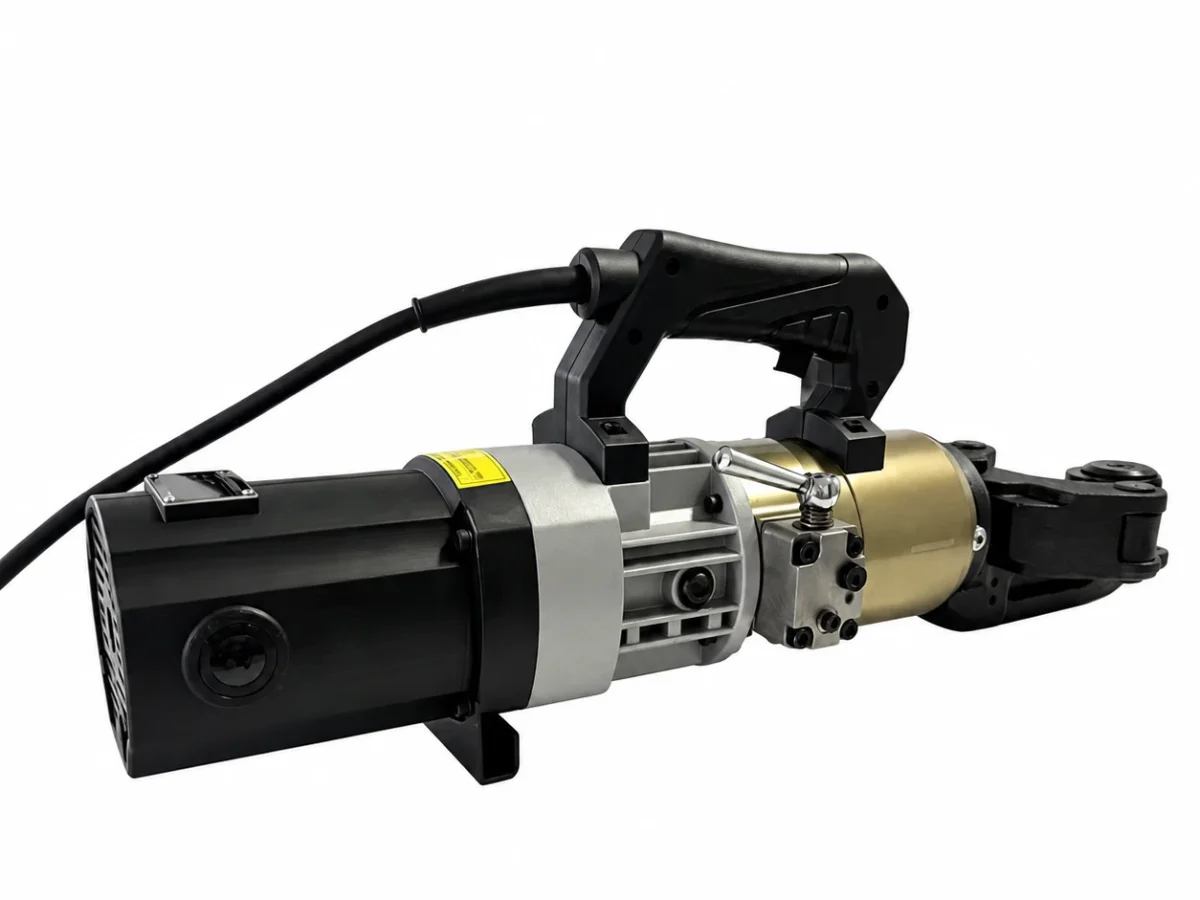
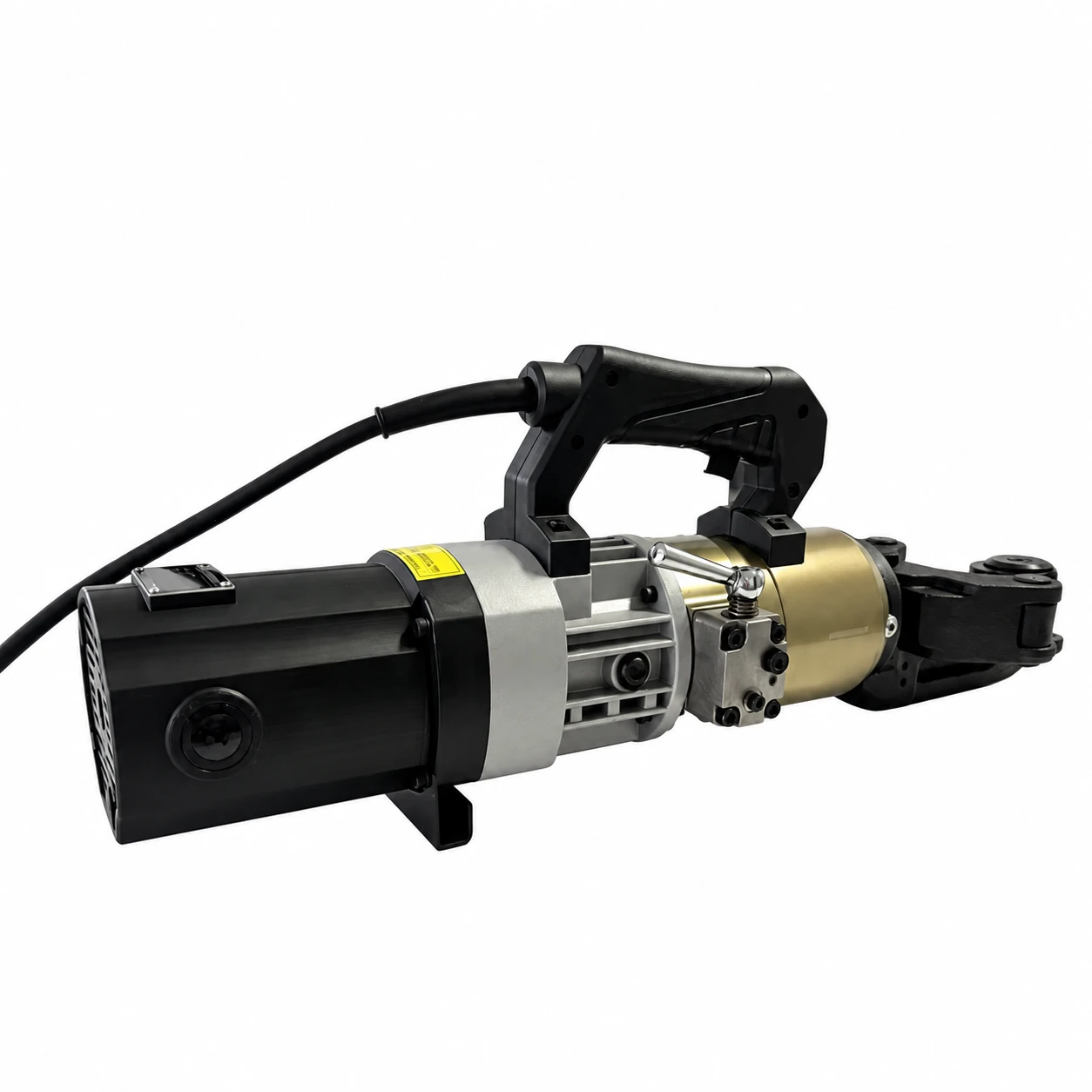
The portable 28E is a rebar bending machine, not a cutting machine. It is a candidate where reinforcing bars need bending at the work location rather than being taken to a fixed bench. The source lists a 16–28 mm range, 1.8 kW power and 220 V supply.
Diameter alone does not establish bending capacity
Steel strength, bend angle, required radius and tooling all affect suitability. The listed 5–9 second bending time is not a guaranteed cycle for every bar and bend. Send the bar grade and drawing so the bending setup can be checked; machine weight and packing measurements need a current confirmation.
Confirming the supplied machine
Send the bar diameter, steel grade, bend angle and power supply. Request the current key parameters, bend-radius limits, tooling, net and packed weight, dimensions and cycle conditions before ordering. Please send an enquiry to obtain the current key specifications and confirm the selected configuration.
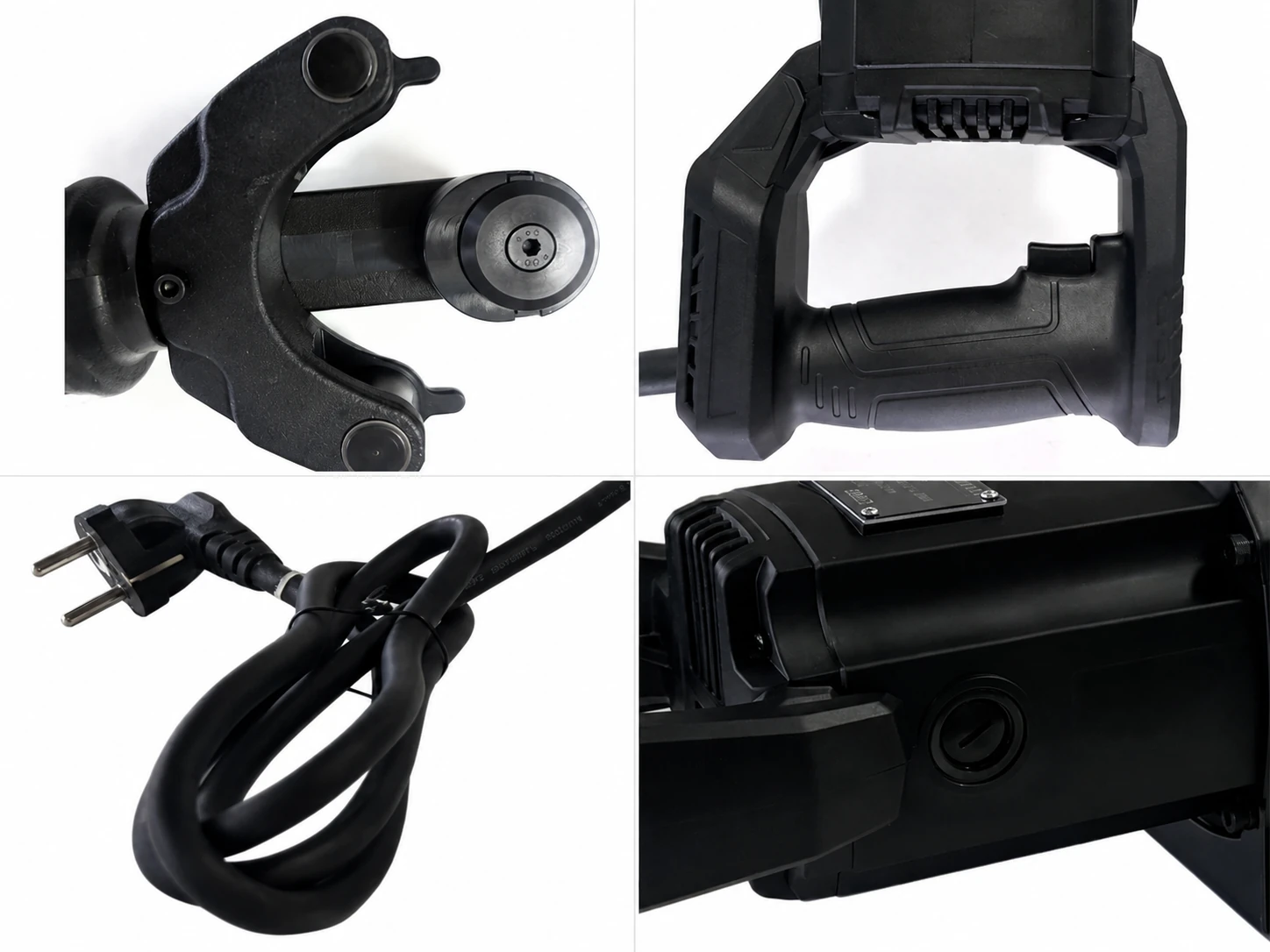
28E Portable Electric Rebar Bending Machine — source configuration detail
Views show configurations in the source materials. The quotation defines the supplied configuration.
Packaging & Shipping
Confirm packing weight and dimensions, transit protection, supplied accessories and delivery terms before ordering.
Configuration Options
Confirm the selected configuration and compatibility for the material, available supply and working conditions. Any requested changes must be confirmed before ordering.
Product FAQ
Can 28E cut rebar as well?
Cutting is not established for this product. Choose a separately specified cutter if the job requires both operations.
Does the diameter range cover every steel grade?
No universal grade compatibility is claimed. Provide the steel strength and bend drawing for confirmation.
Is the bending time a continuous production rate?
No. The listed time does not establish loading time, duty cycle or output per shift. Request those limits for the intended work.
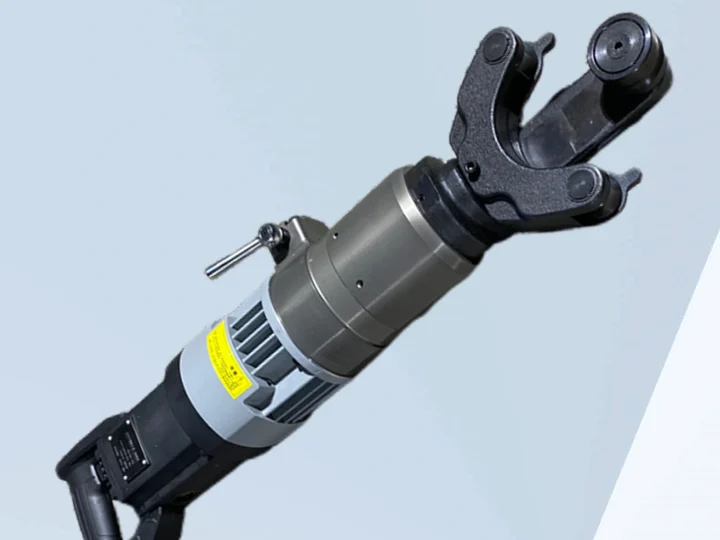
The recovered same-product photographs show a forked bending head and rollers on a handheld hydraulic tool. It bends a selected bar at the head; the source cutting-machine title does not describe the photographed mechanism.
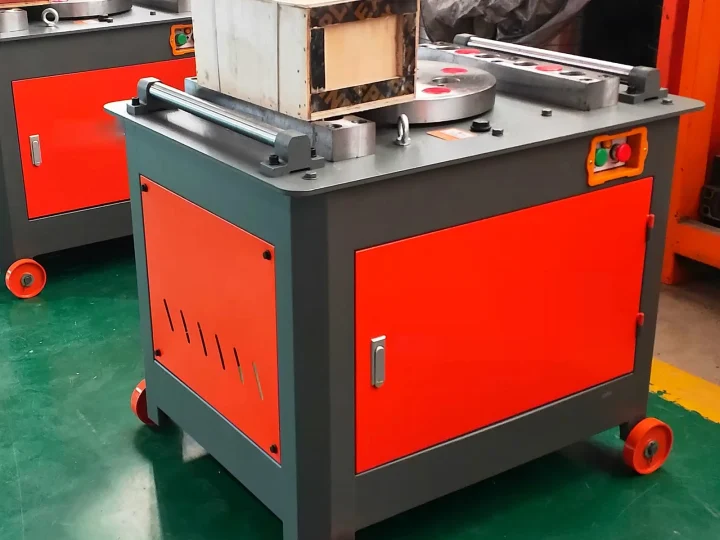
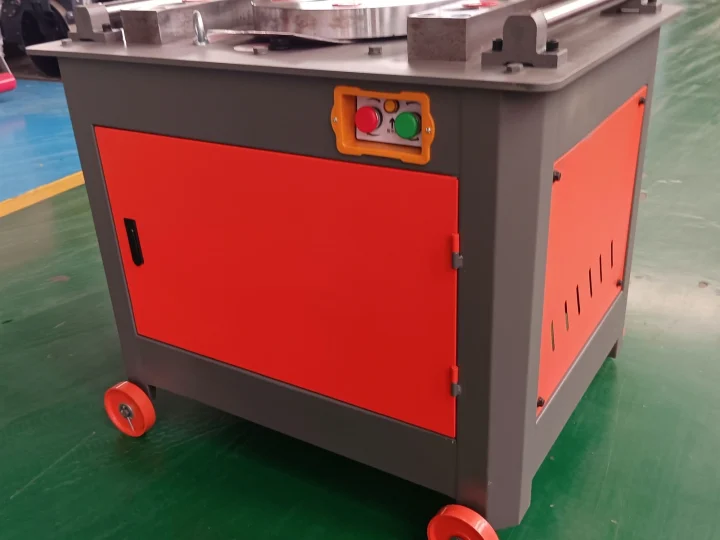
The source photographs show rotating-disc rebar benders with pin positions and a cabinet drive. One pictured unit has a different size label from the old catalogue title, so this listing is treated as a selection of bending-machine versions.
The GW40 bends a supported bar around selected pins on a rotating work disc. The photographed cabinet carries operating controls and transport wheels; the operator still positions and supports the bar for the intended shape.